

Capillary PRP
About the treatment
What does the treatment involve?
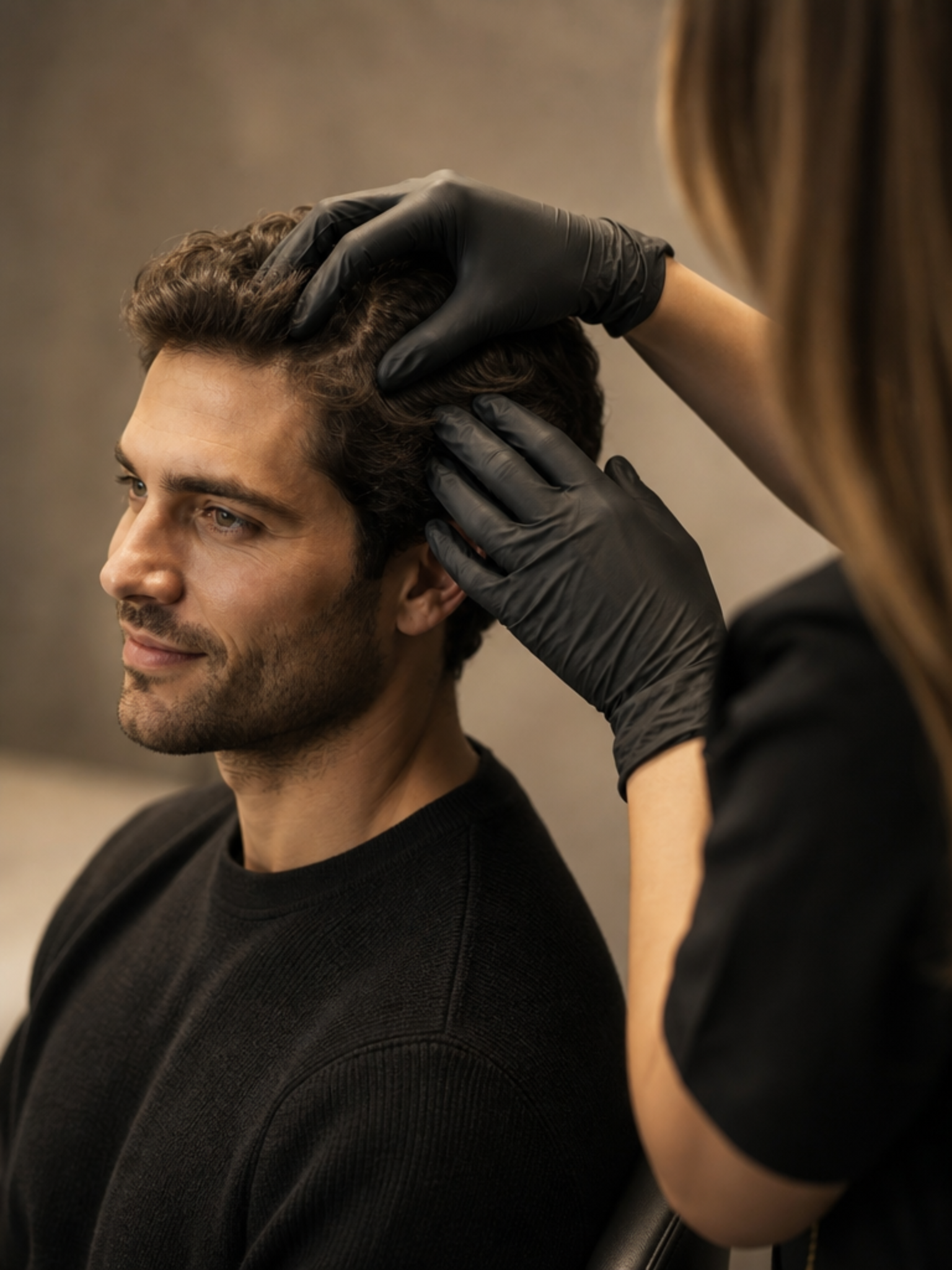
Capillary PRP (platelet-rich plasma) uses a fraction of the patient's own blood, processed to concentrate growth factors and biological signals from platelets that stimulate growth and cellular repair.
In practice, PRP is offered within a personalised medical plan with prudent expectations and periodic follow-up. The aim is to support weakening or thinning hair through a regenerative approach, not to promise immediate density or uniform results in every patient.
Request assessment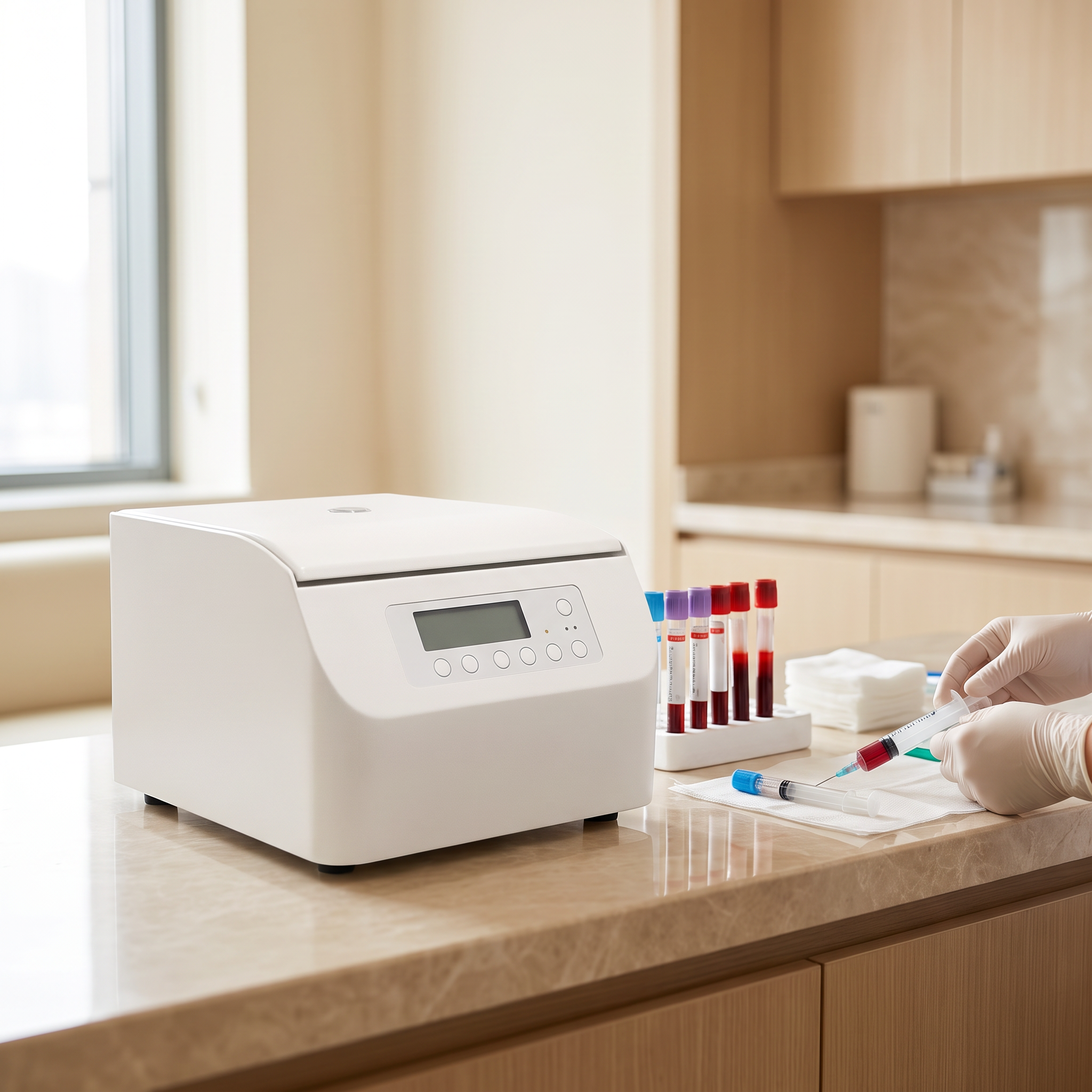
What is the treatment like?
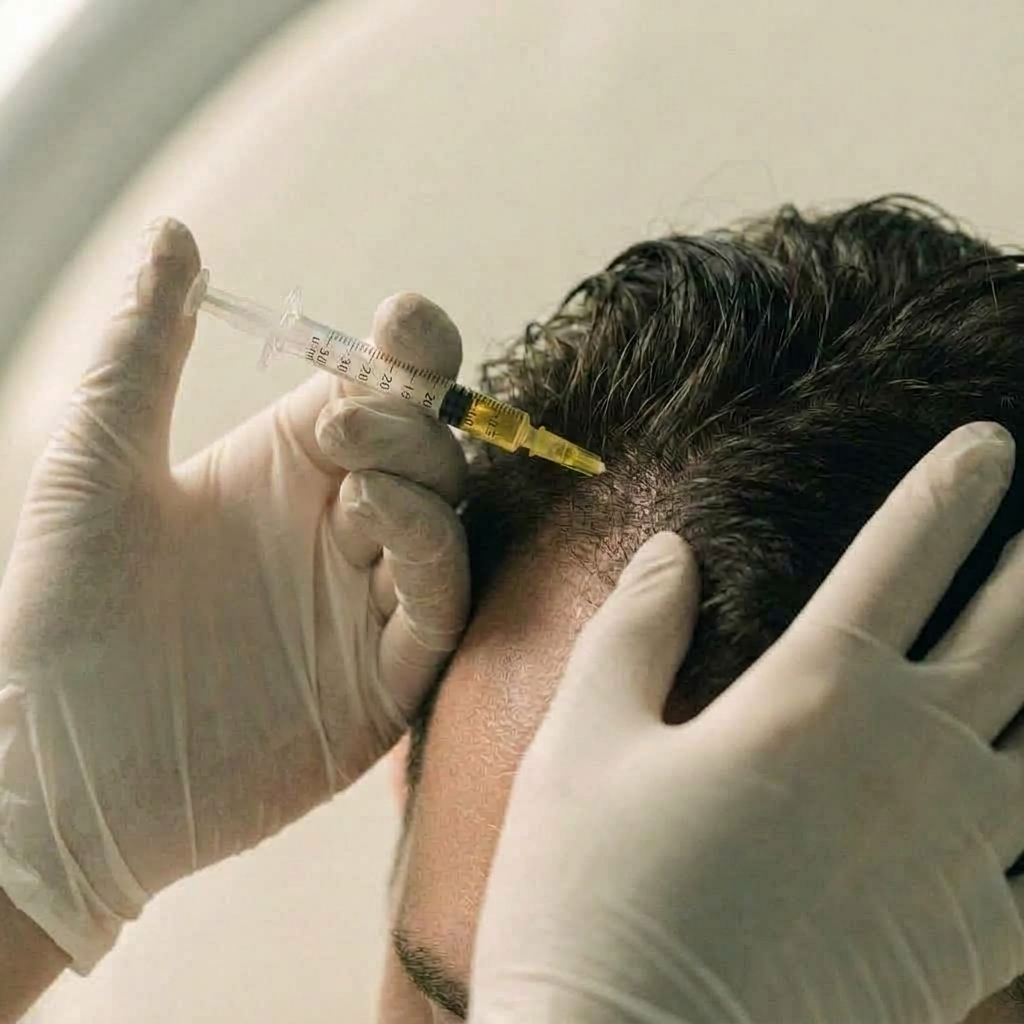
The session includes blood draw, controlled centrifugation and application of the prepared plasma through microinjections into the scalp.
The number of sessions, intervals between them and possible combination with other medical hair treatments are defined at initial consultation and reviewed according to clinical response. Each case progresses differently; the protocol is adjusted with medical judgement rather than following a rigid universal schedule.
Treatment benefits
- Use of the patient's own autologous material, reducing reliance on exogenous substances in the base protocol.
- Supports hair quality and thickness in selected patients.
- May be combined with other medical hair therapies when clinically supported.
- Delivery of growth factors to the hair follicle microenvironment and scalp.
- Outpatient procedure integrated into a hair plan with prior diagnosis and follow-up.
Post-treatment recommendations
After capillary PRP, relative rest of the scalp for the first hours is usual, along with guidance on washing, sun, exercise and hair products. Perceived changes are usually gradual; treatment value is assessed at follow-up visits, not the day after a session.
Essential guidelines
- Attend well hydrated and drink plenty of water, especially in the hours before the blood draw.
- Avoid fatty or heavy meals in the hours before the blood draw.
- Report recent fever, infections, anticoagulants or clotting disorders.
- Do not self-medicate with anti-inflammatories before the session without consulting the doctor.
- Plan the visit avoiding commitments requiring a flawless appearance if mild redness is expected.

Personalised care
Looking for treatment precautions?
View before and after precautions
Description
Capillary PRP is a medical procedure requiring individual assessment, blood draw and handling of the patient's own biological material. The precautions below are for guidance only.
Before treatment
- Hair assessment and history review: shedding pattern, medication, thyroid, anaemia, stress, prior surgery.
- Report anticoagulants, antiplatelet agents, supplements affecting clotting or recent treatments.
- Avoid NSAIDs and aspirin in the days beforehand if the doctor advises, to reduce bruising risk (do not stop any prescribed medication on your own. If you are taking them, report this in advance so each case can be assessed individually).
- Do not attend with active infection, fever, inflamed scalp or wounds without prior review.
- Report pregnancy, breastfeeding or haematological conditions; PRP may not be indicated.
- Rest adequately and stay hydrated; extraction quality depends on general condition.
- Avoid alcohol and intense exercise 24 hours beforehand if minimising post-procedure discomfort.
- Confirm no contraindications to venepuncture or relevant allergies to procedure materials.
After treatment
- Do not wash the scalp for the indicated period, usually 24 hours, unless otherwise advised.
- Avoid direct sun, saunas, pools and heavy sweating for the first 48 hours.
- Do not rub, brush firmly or use irritating products on the treated area.
- Postpone dyes, bleaching or chemical hair treatments until medically cleared.
- Avoid alcohol and tobacco on treatment day and at least 24 hours after if sore.
- Do not autonomously combine with mesotherapy or other invasive procedures without clinical coordination.
- Seek advice if extensive bruising, severe pain, progressive swelling or signs of infection occur.
- Attend scheduled reviews to assess progress medically and adjust the plan.
Real results
Before and after
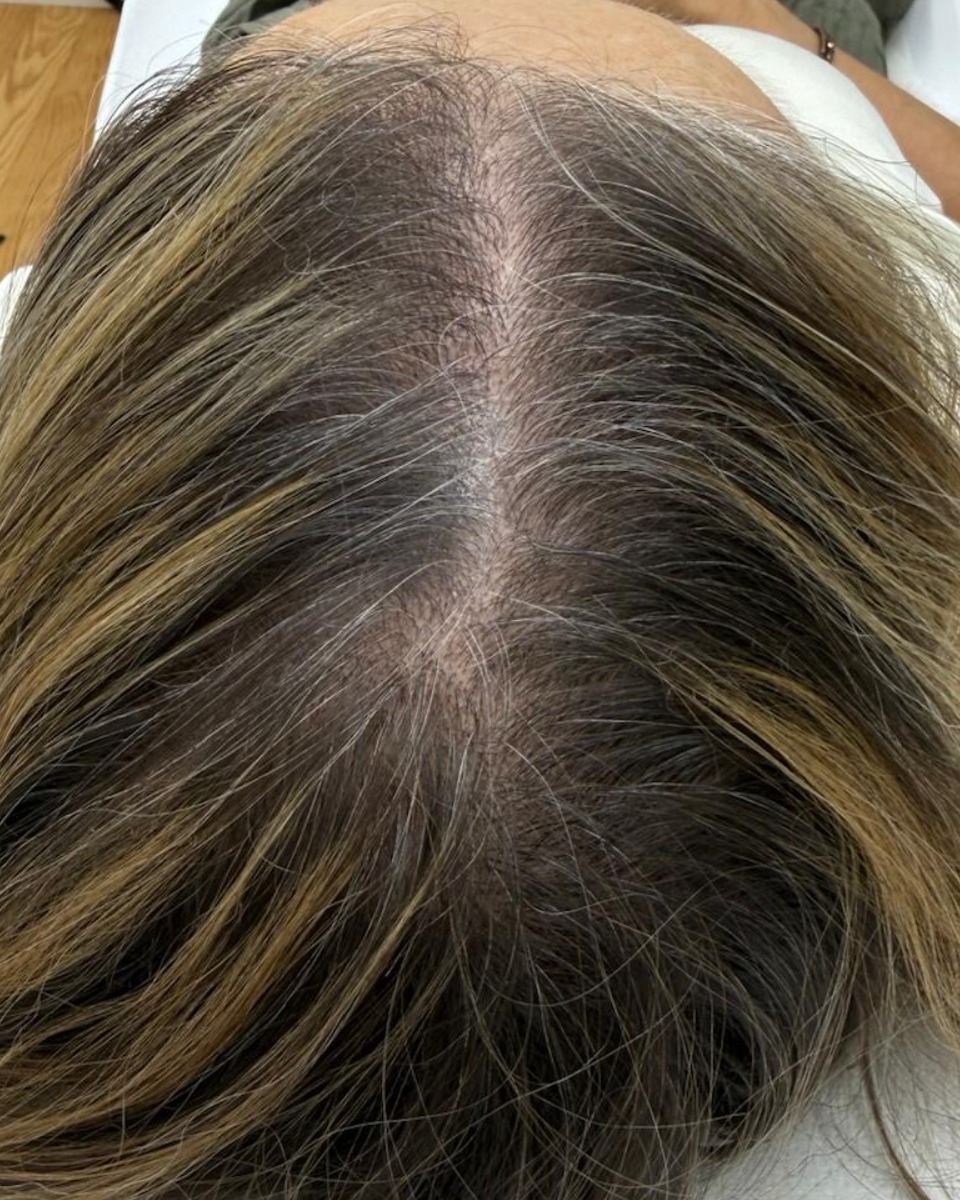
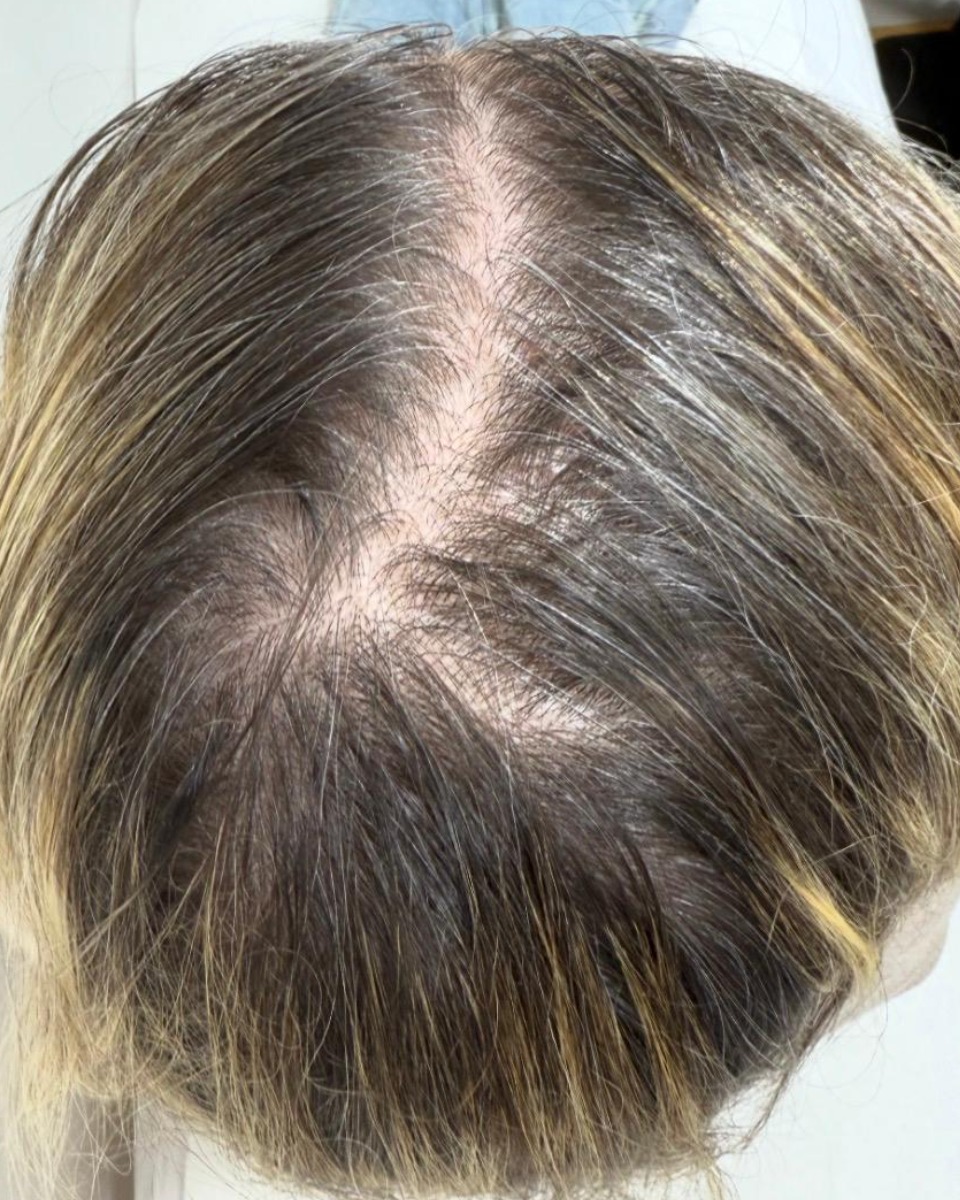
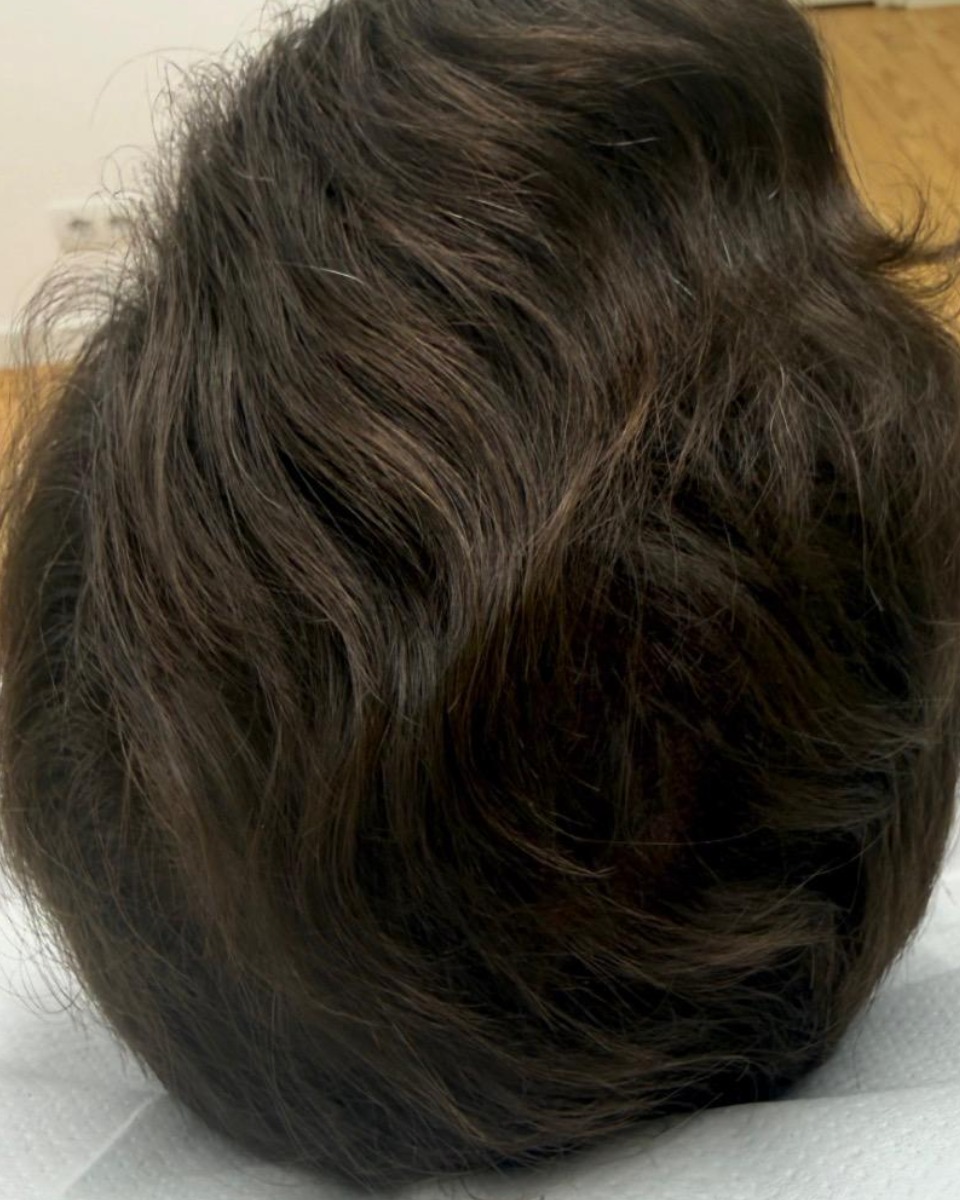
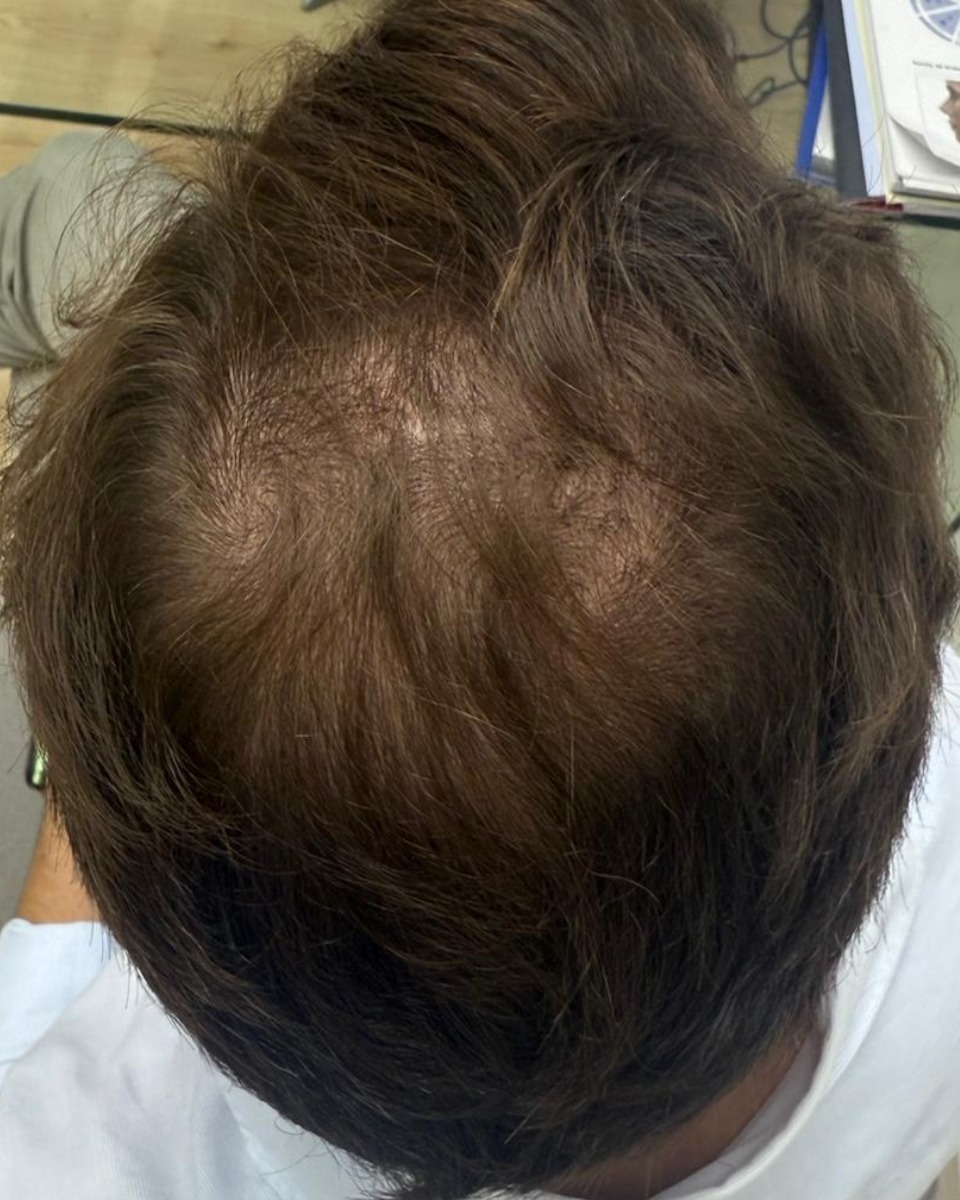
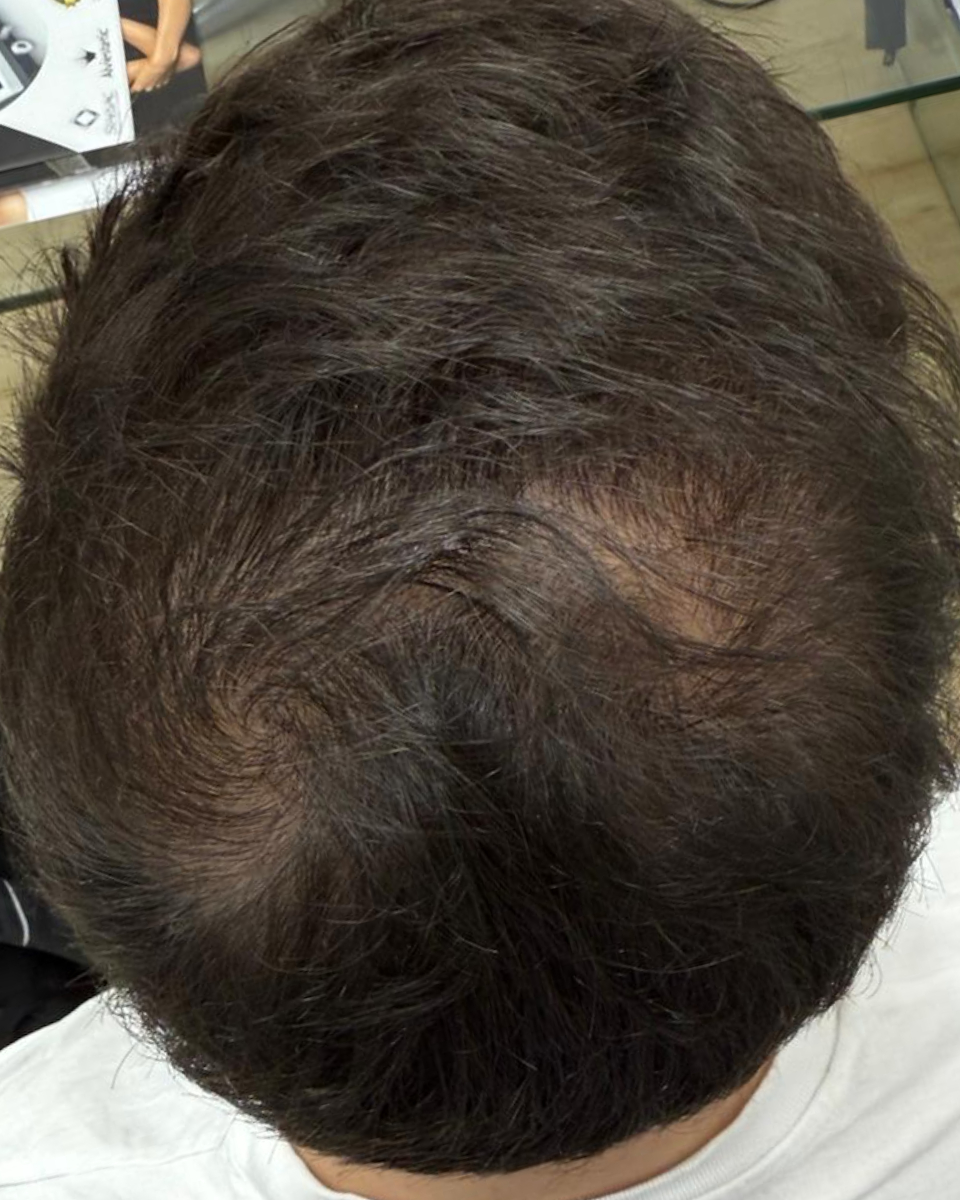
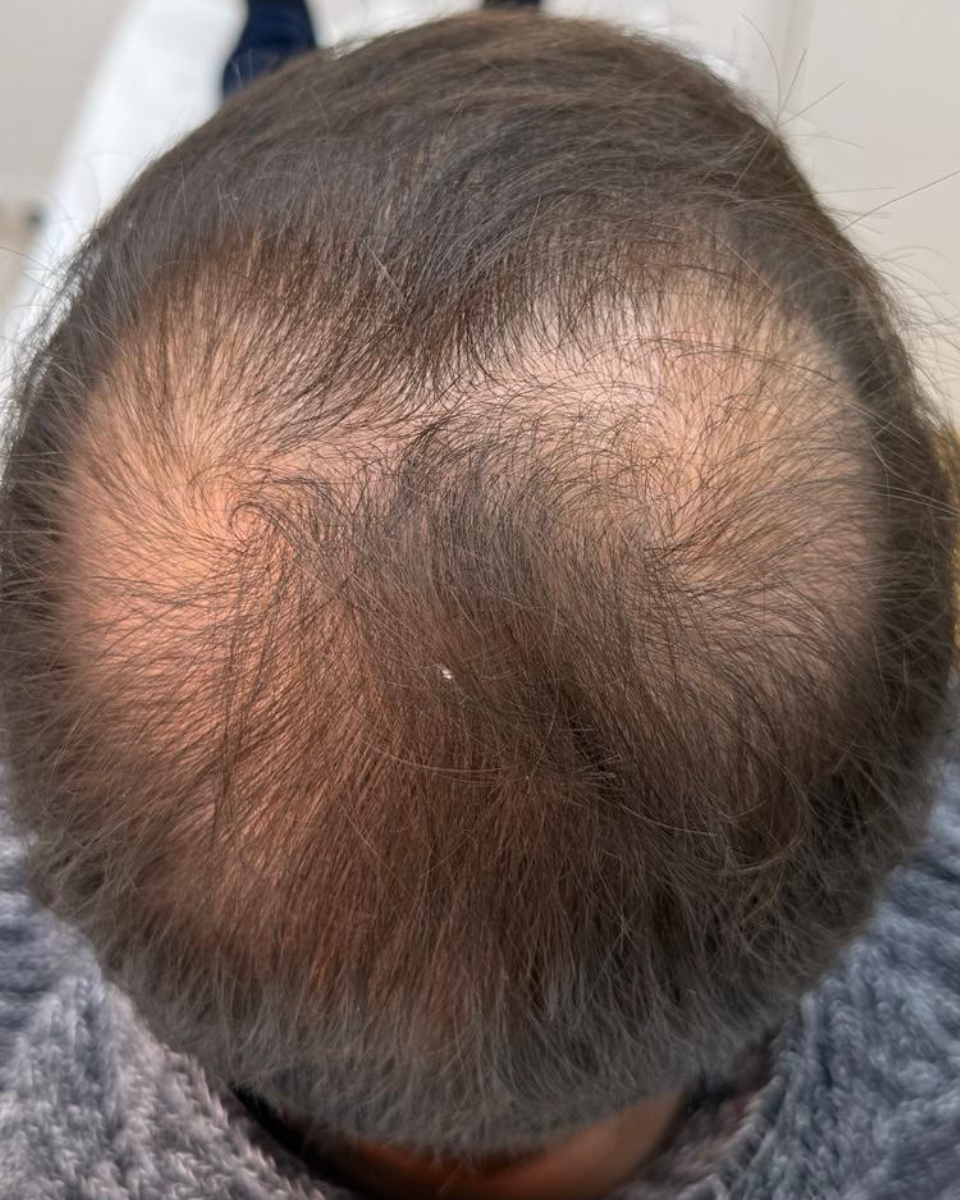
Drag to compare
Some results reflect combined capillary treatment protocols.
Help
Frequently asked questions
How does capillary PRP differ from mesotherapy?
PRP uses the patient's autologous plasma rich in growth factors. Mesotherapy uses microinjections with specific medical formulations. Choice depends on diagnosis and may complement in some cases, always with clinical judgement.
How many capillary PRP sessions are recommended?
There is no universal number. After initial assessment a schedule is proposed and reviewed according to tolerance, progression and realistic case goals.
When are changes noticeable after PRP?
Response is usually gradual and variable. Some patients notice improved hair quality or shedding within weeks; others need several sessions and months of follow-up before results are assessed.
Are there risks with capillary PRP?
As autologous material, allergic risk is low, but redness, bruising, local discomfort or, rarely, infection may occur. Prior assessment and medical technique aim to minimise complications.
Can PRP be done with advanced baldness?
It depends on shedding pattern, hair reserve and realistic goals. In some cases PRP has limited utility and other medical or surgical options should be assessed after full diagnosis.